
Urban microclimate / Human behavior / Design
Research
URBAN PATCH investigates how urban environmental conditions shape the ways people move through, occupy, and experience cities. The research focuses on the relationship between urban microclimate and human behavior, with particular attention to walkability and the ability to stop, stay, and occupy public space. Measurement, spatial analysis, digital tools, and participatory systems connect these questions to design decisions.
Urban Microclimate
Shade, solar exposure, wind, humidity, anthropogenic heat, and cooling conditions from vegetation and waterfronts.
Human Behavior
How environmental and spatial conditions influence movement, stopping, gathering, and occupation.
Walkability
Climate-responsive movement and route choice through the city.
Loiterability
The capacity of public space to support comfortable, safe, and unprogrammed staying.
Design Decision Support
Measurement, mapping, prototypes, and participatory tools for examining urban choices.
Research Trajectory
Climate conditions → Human movement → Staying / occupation → Integrated decision support
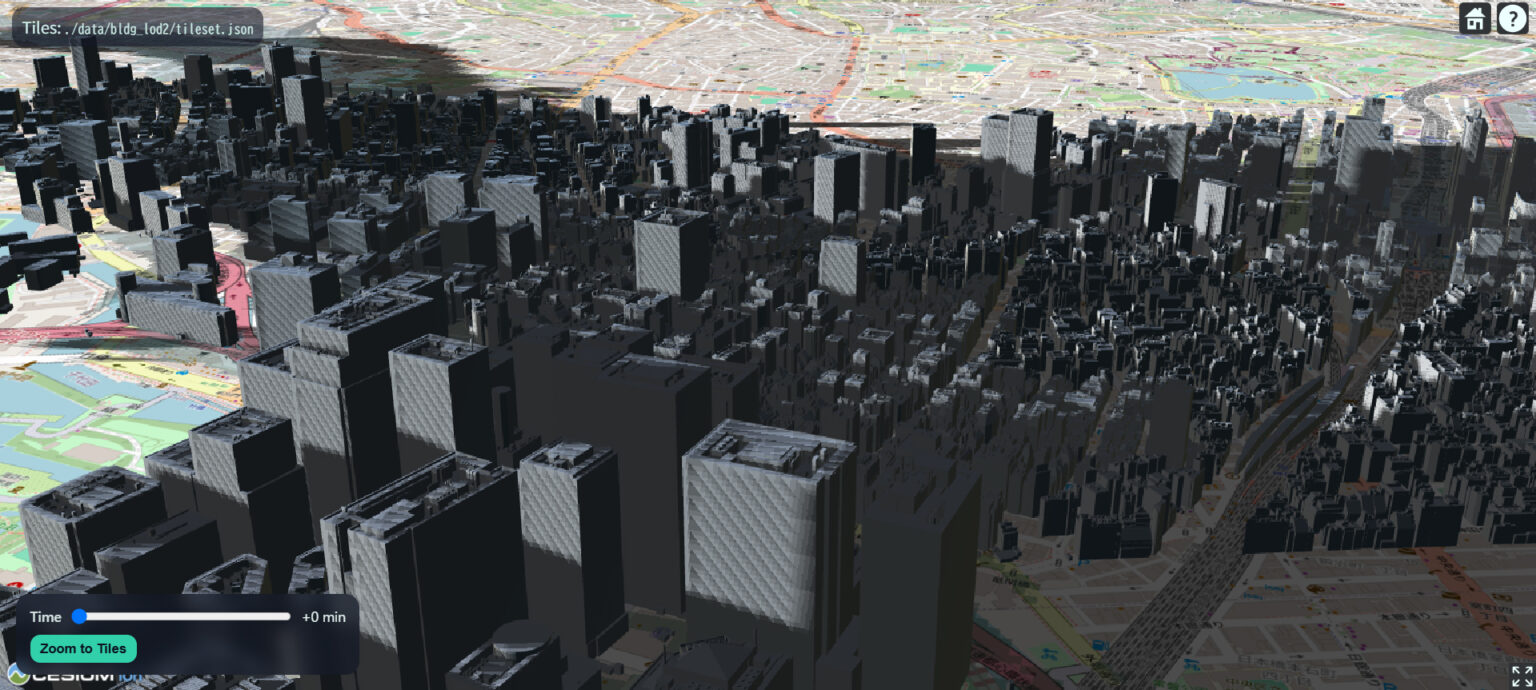
01 / Microclimate / Movement
Cool Scape
Cool Scape investigates shade, solar exposure, and urban heat as conditions that shape pedestrian movement and route choice. Its mapping prototype explores climate-responsive ways of moving through the city.
Read project →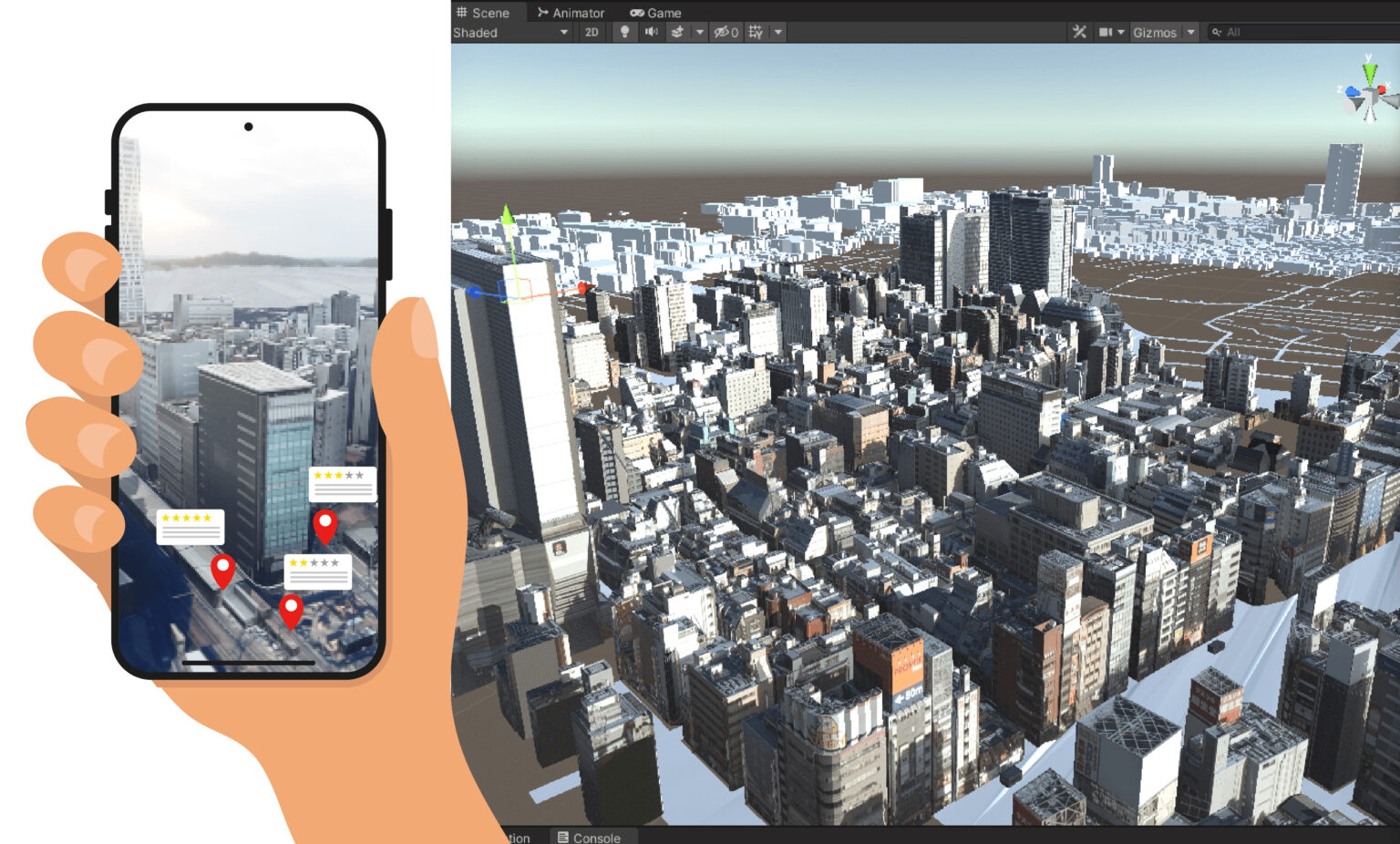
02 / Public Space / Staying
Loiterable City
Loiterable City expands the inquiry from movement to staying: not only “Can people walk here?” but “Can people comfortably stop, stay, gather, and occupy this place?” It explores environmental comfort, spatial conditions, perceived safety, and citizen observation as dimensions of loiterability.
Read project →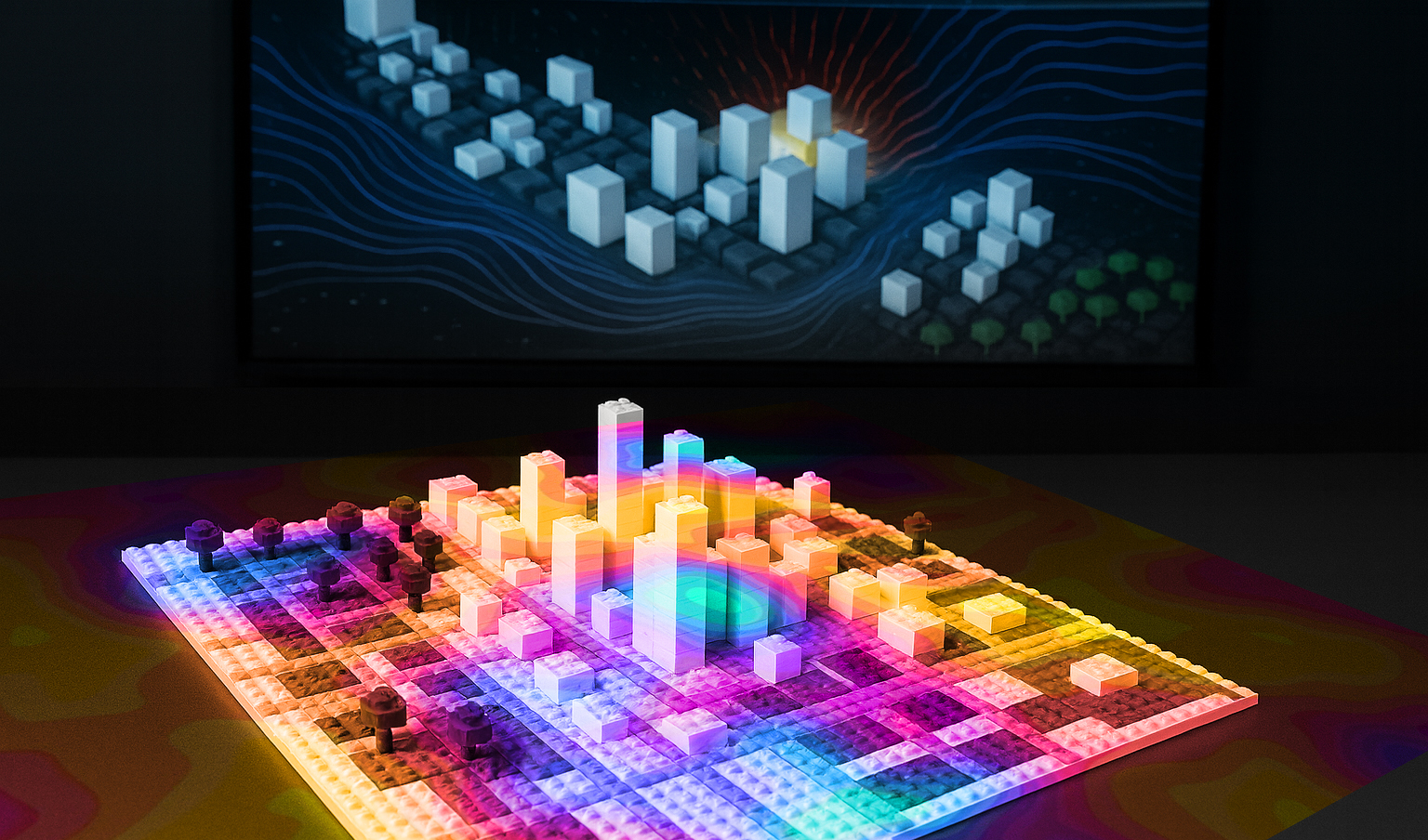
03 / Interactive Integration / Decision Support
Loiterable City Sandbox
Loiterable City Sandbox brings environmental, spatial, and behavioral questions into a tangible, participatory urban-design framework. In development, it establishes a basis for future interactive scenario testing and design decision support.
Read project →