
Shade-first walking routes for heat-safe cities
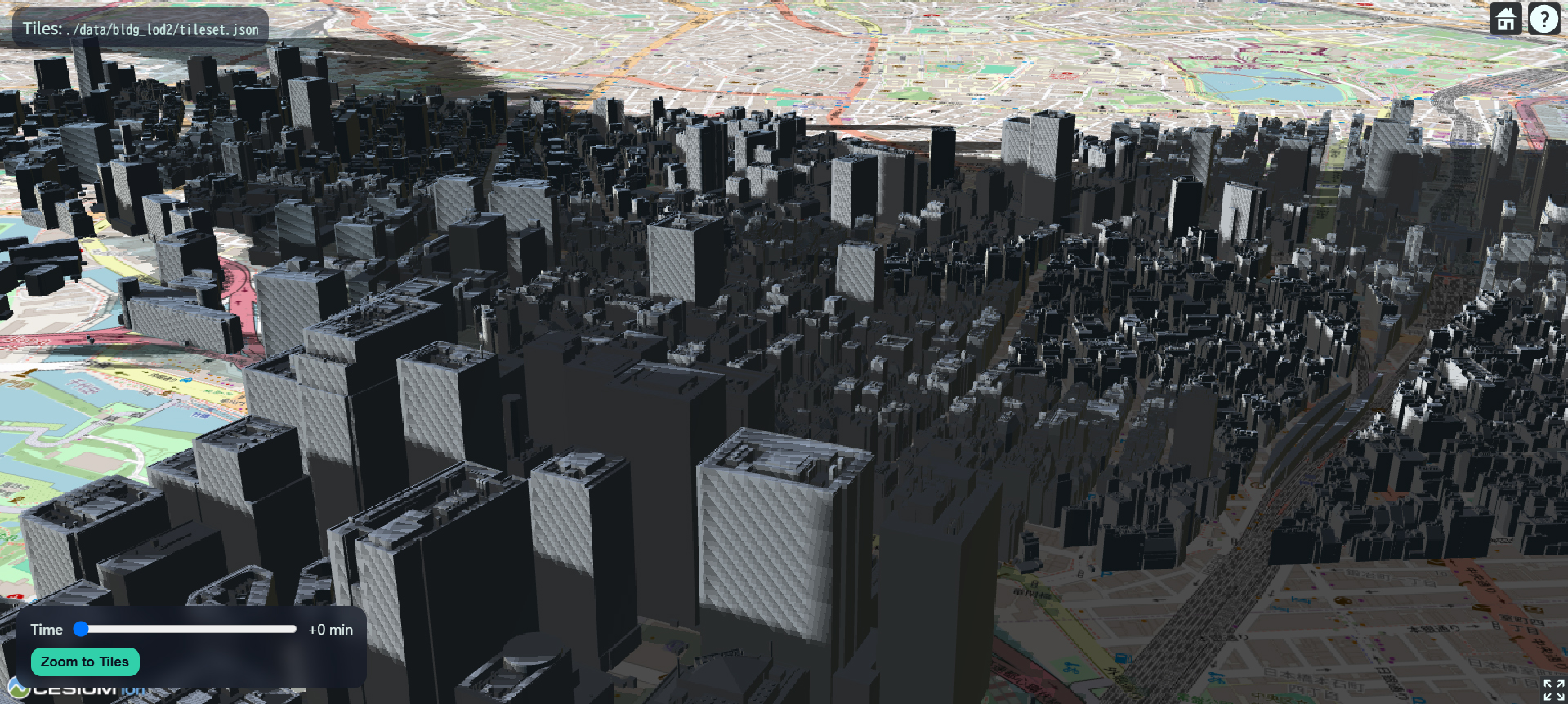
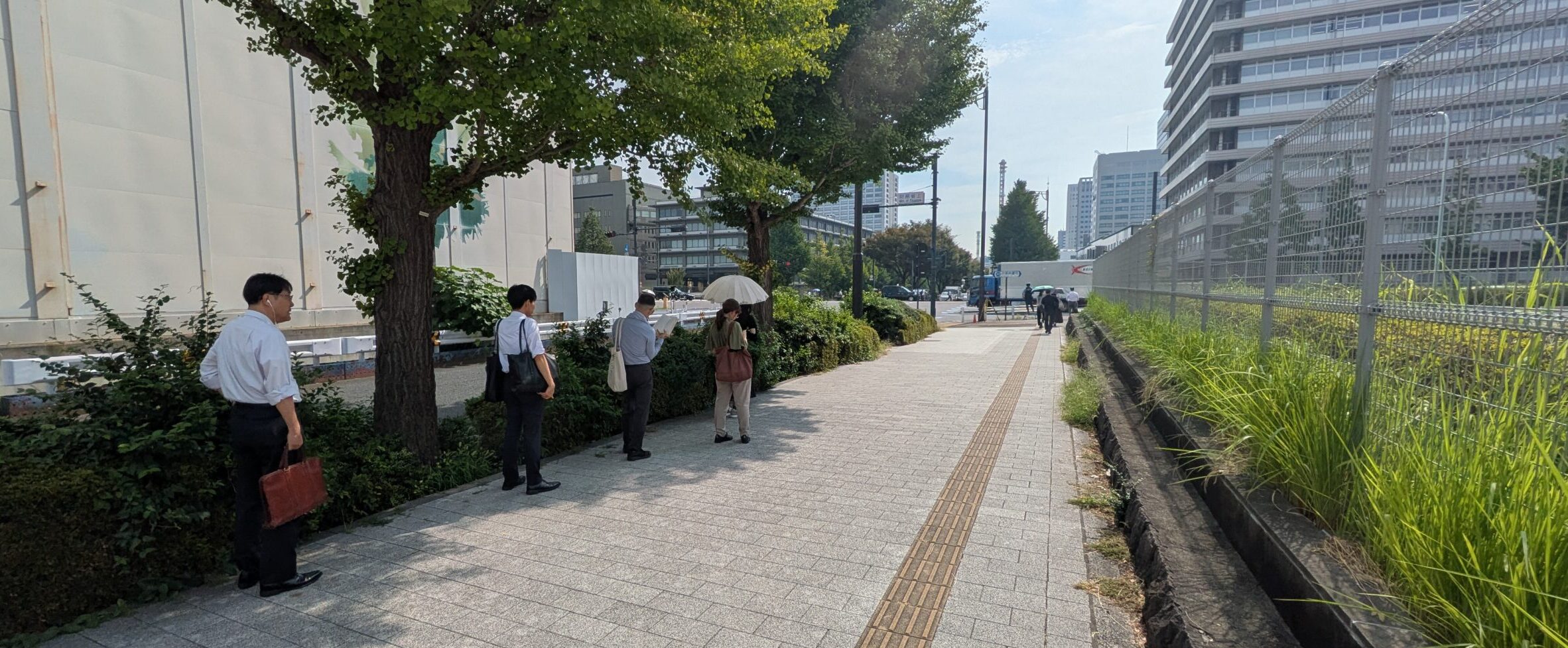
Due to the effects of global warming, midsummer temperatures in urban areas have become dangerously high, especially during the daytime, making it feel unsafe to walk outside. For example, when people step out of their offices at lunchtime, they instinctively seek shade to avoid direct sunlight. Even in the morning, pedestrians prefer to walk in shaded areas to escape the sun, and when waiting at a traffic light, they often stand not directly in front of the crosswalk but instead in a nearby shaded spot or under a tree. This everyday behavior suggests that shade is not just a by-product of urban form, but a critical piece of infrastructure for keeping cities walkable.
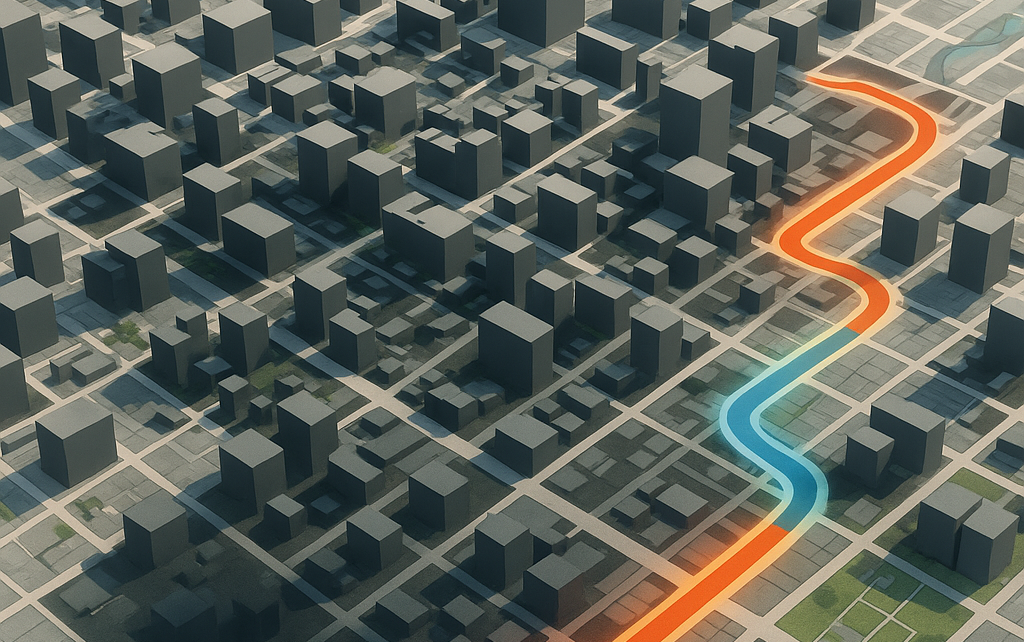
Cool Scape is a shade-aware navigation tool that responds to this reality. The proposed application aims to compare walking routes by shade and heat exposure, helping pedestrians consider more comfortable alternatives during hot weather. For everyday users, this means a practical way to reduce heat stress and walk more safely instead of giving up on outdoor movement altogether. A further research goal is to study which routes people actually choose, and to evaluate how the presence of trees and shade relates to their decisions.
Previous studies, such as Cool Walks, have developed navigation maps that calculate routes with more shade based on shadows cast by buildings. Cool Scape investigates a broader approach: the research considers not only building shadows but also tree canopy and vegetation, exposed open spaces, and other urban-microclimate factors. Accounting for wind, temperature, and the effects of water and greenery remains part of the wider research and development trajectory.
In its longer-term research vision, Cool Scape would extend beyond shade alone to incorporate a broader set of environmental data. By combining information from distributed urban sensors with satellite and remote-sensing sources such as LiDAR-derived geometry and land-surface temperature, a future system could evaluate not only sun and shadow but also wind comfort, sudden gusts around tall buildings, and potential local cooling effects from parks and waterfronts. The goal is to discover routes that are not only shaded but also measurably cooler and more pleasant to walk through, reflecting the complex interaction of sun, wind, vegetation, and water in the city.
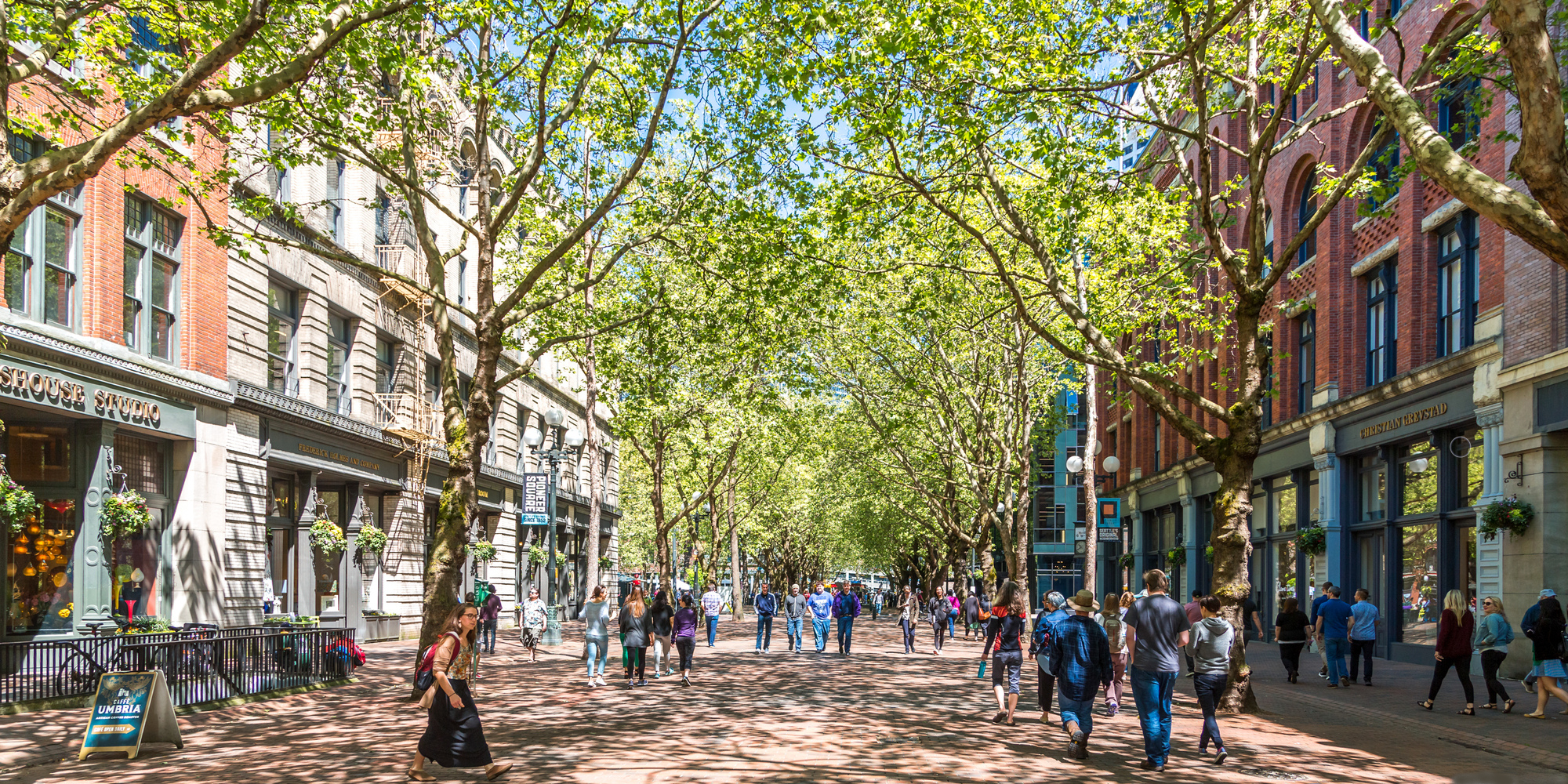
By using this tool, we can explore new approaches to urban design in the era of climate change and propose a method for quantifying the added value of planting vegetation and creating shade in cities. Ultimately, Cool Scape is a response to the emerging crisis of the “walkable city” under global warming: it reveals where the city is still survivable on foot, how design decisions can expand these comfortable zones, and how targeted investments in shade and greenery can help people continue to walk and enjoy urban outdoor spaces safely as summers grow hotter.