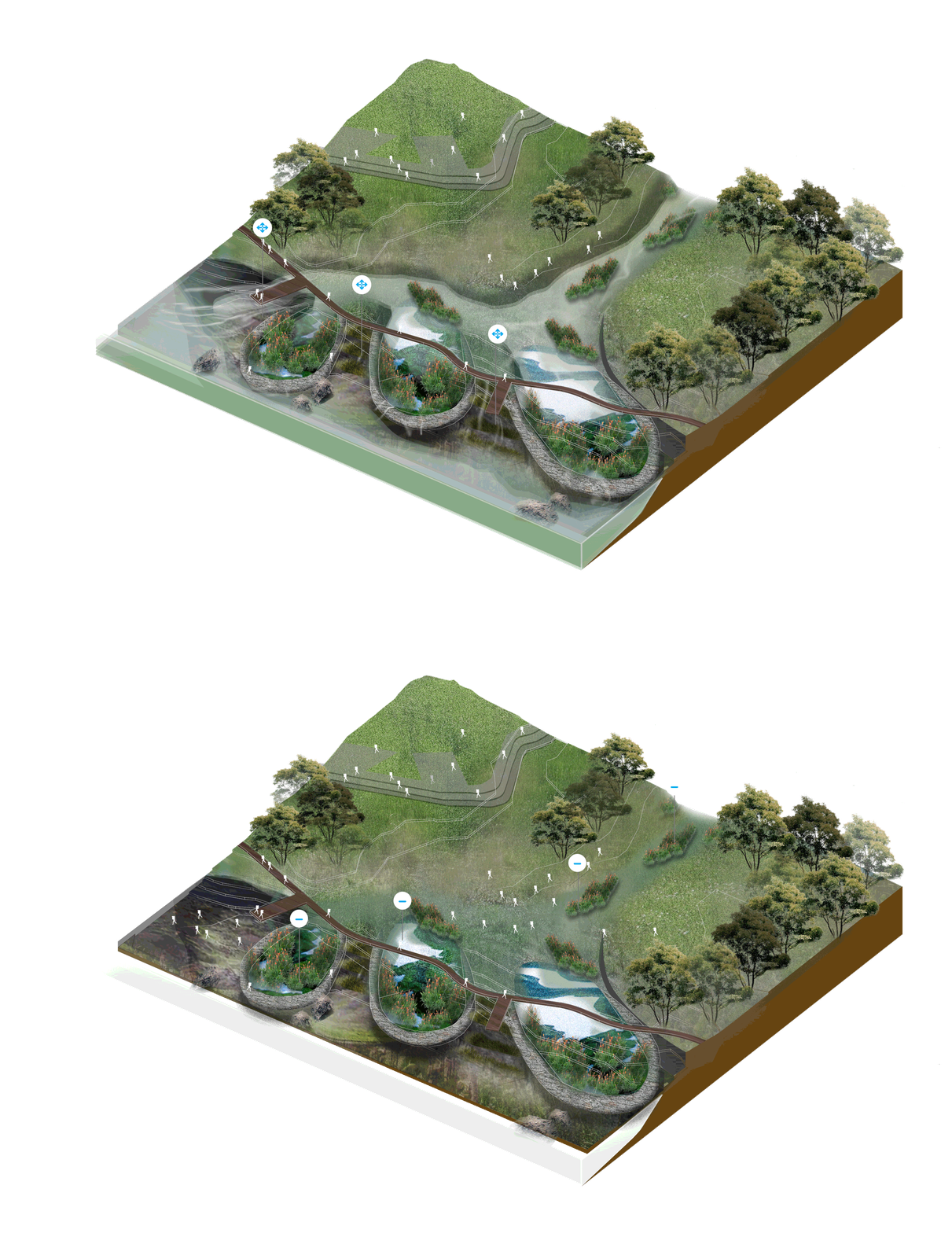
Columbia GSAPP / Spring Studio 2019
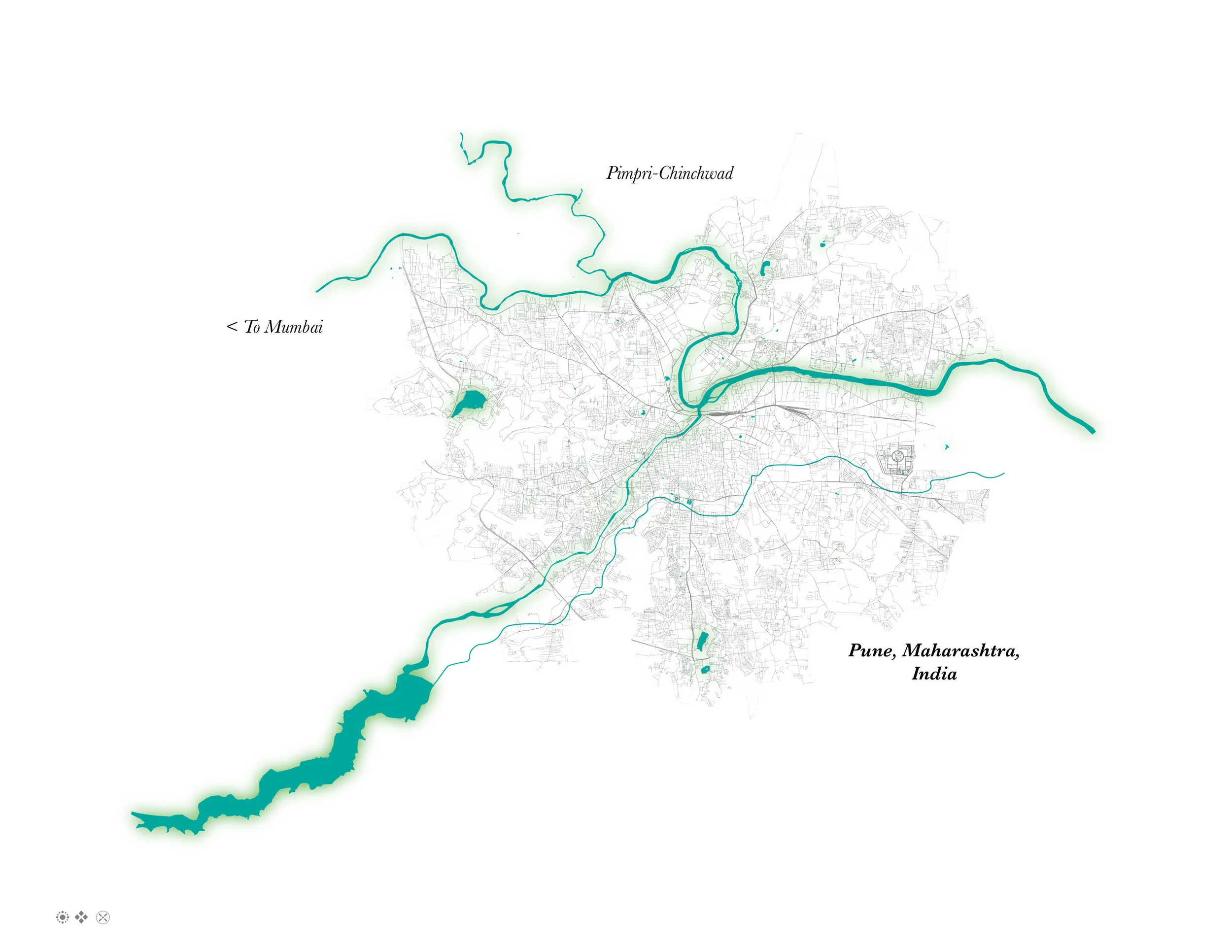
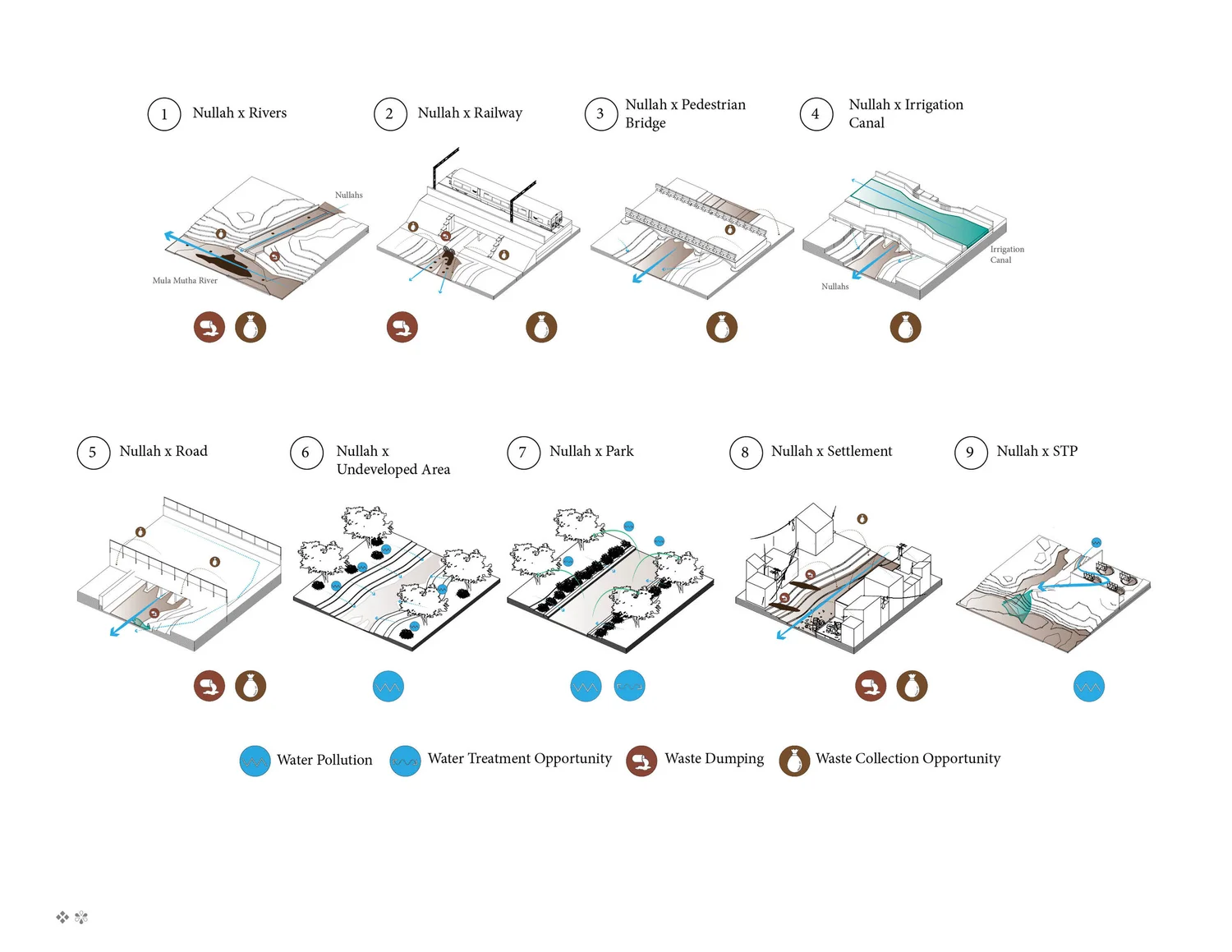
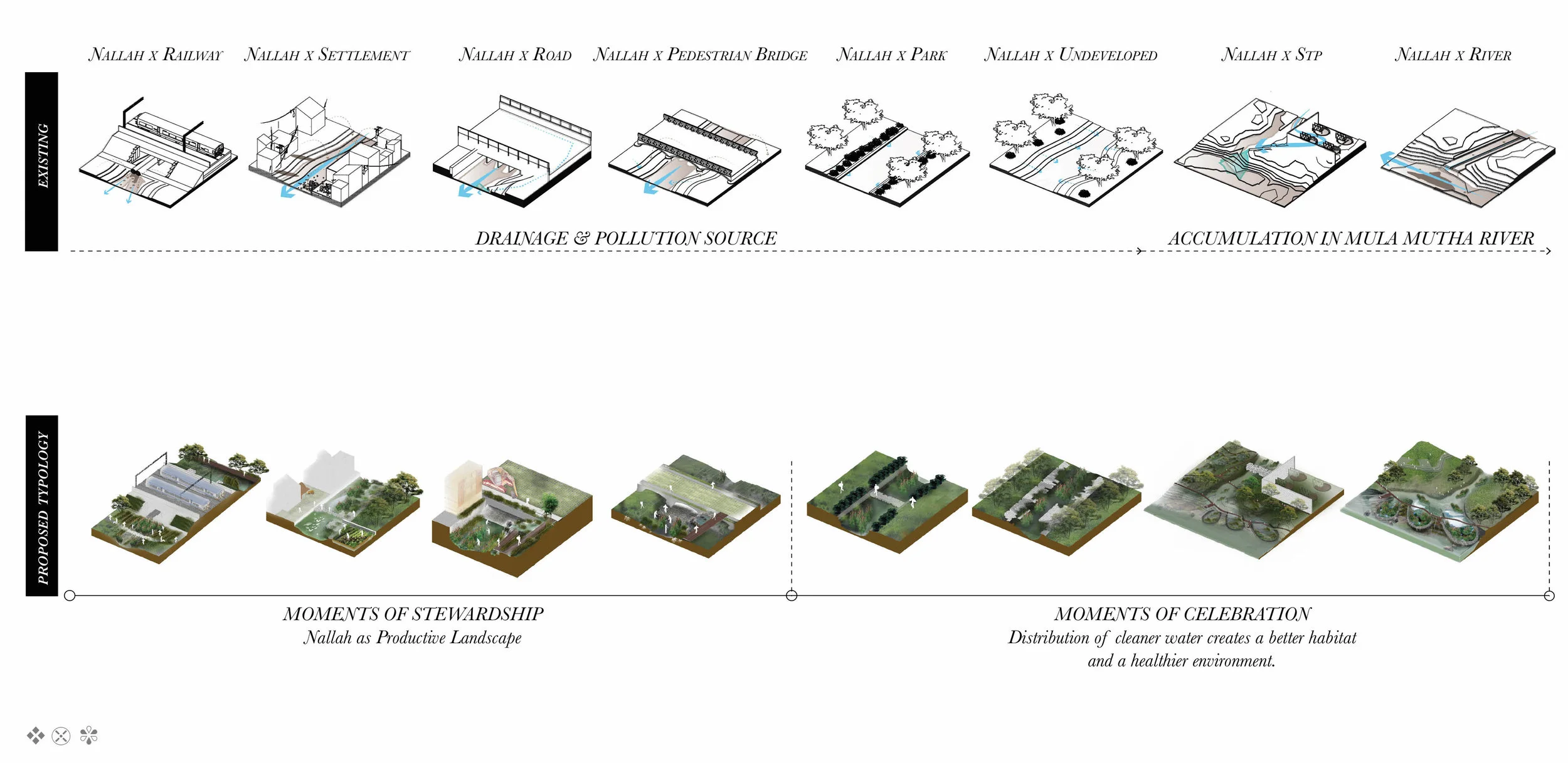
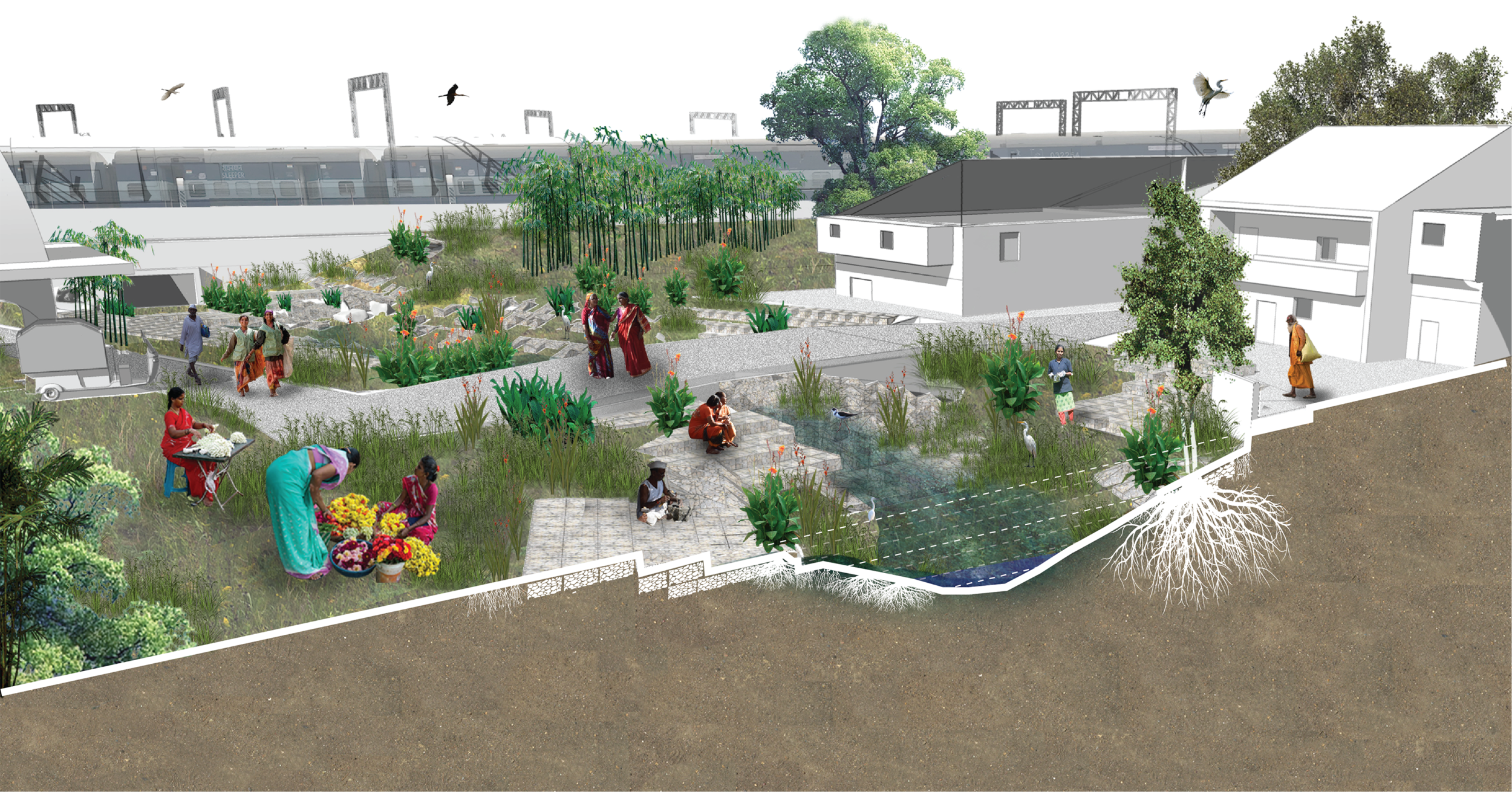
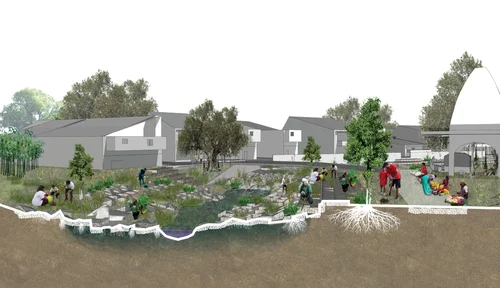
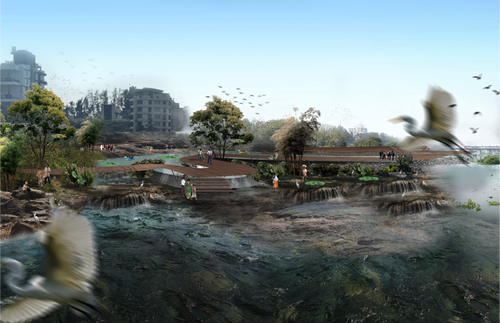
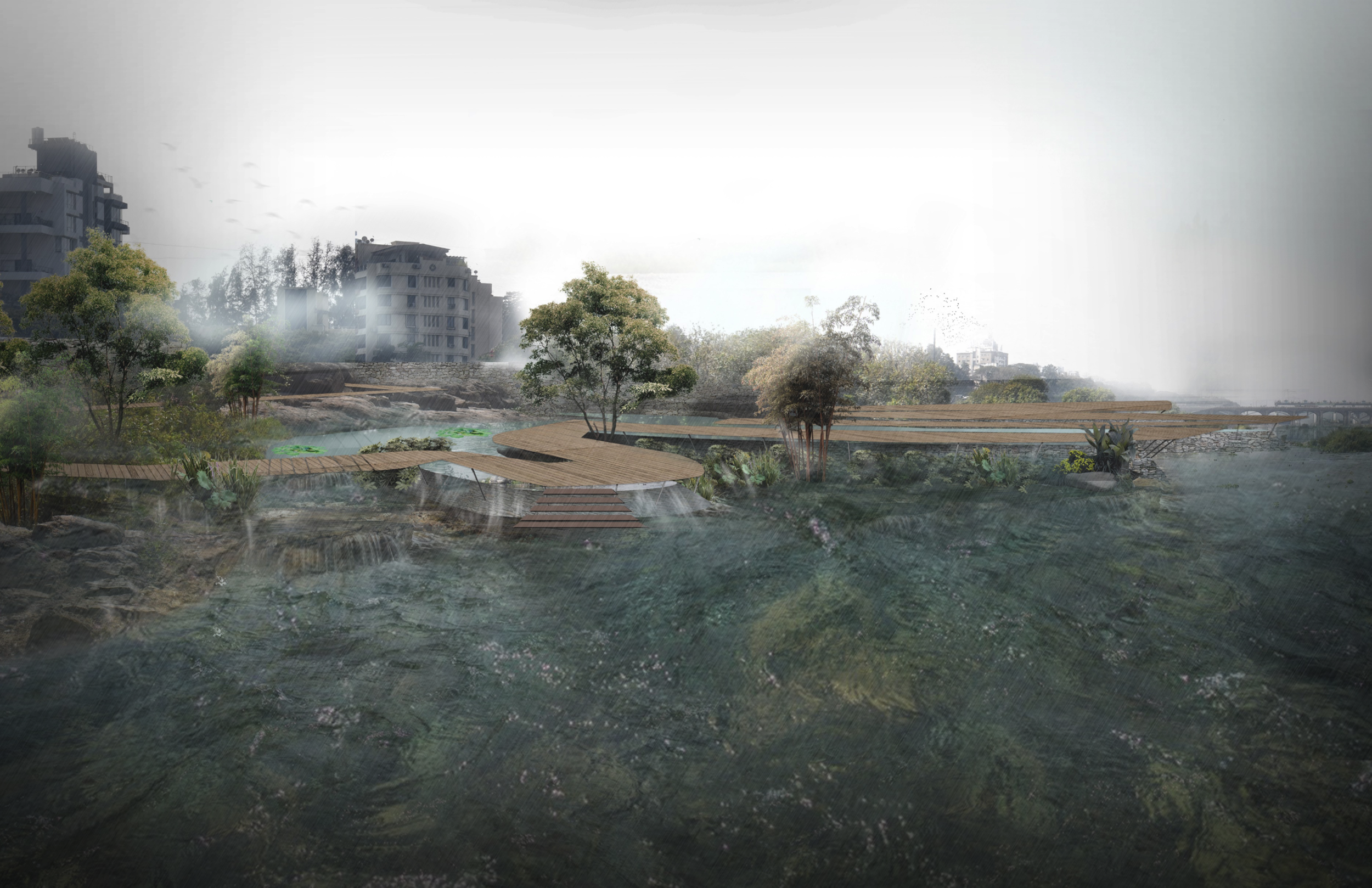
Nallah-Hood proposes that Pune’s watershed be understood as one connected system of the Mula-Mutha River and its nallahs. Rather than treating the nallahs only as polluted neighborhood channels, the project investigates them as decentralized low-ground infrastructure with the capacity to hold water and become part of a wider urban water system.
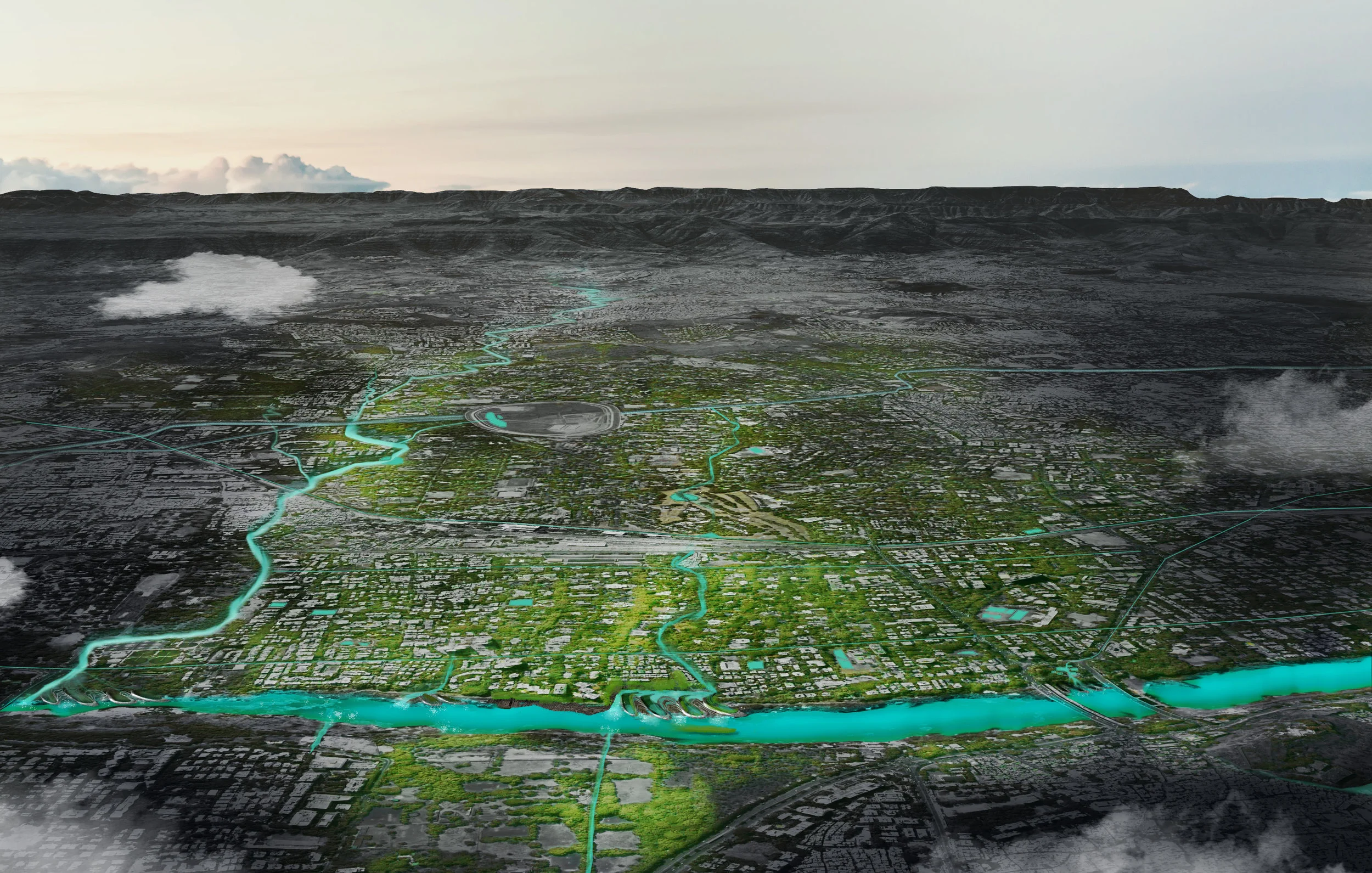
Reading the watershed as one system
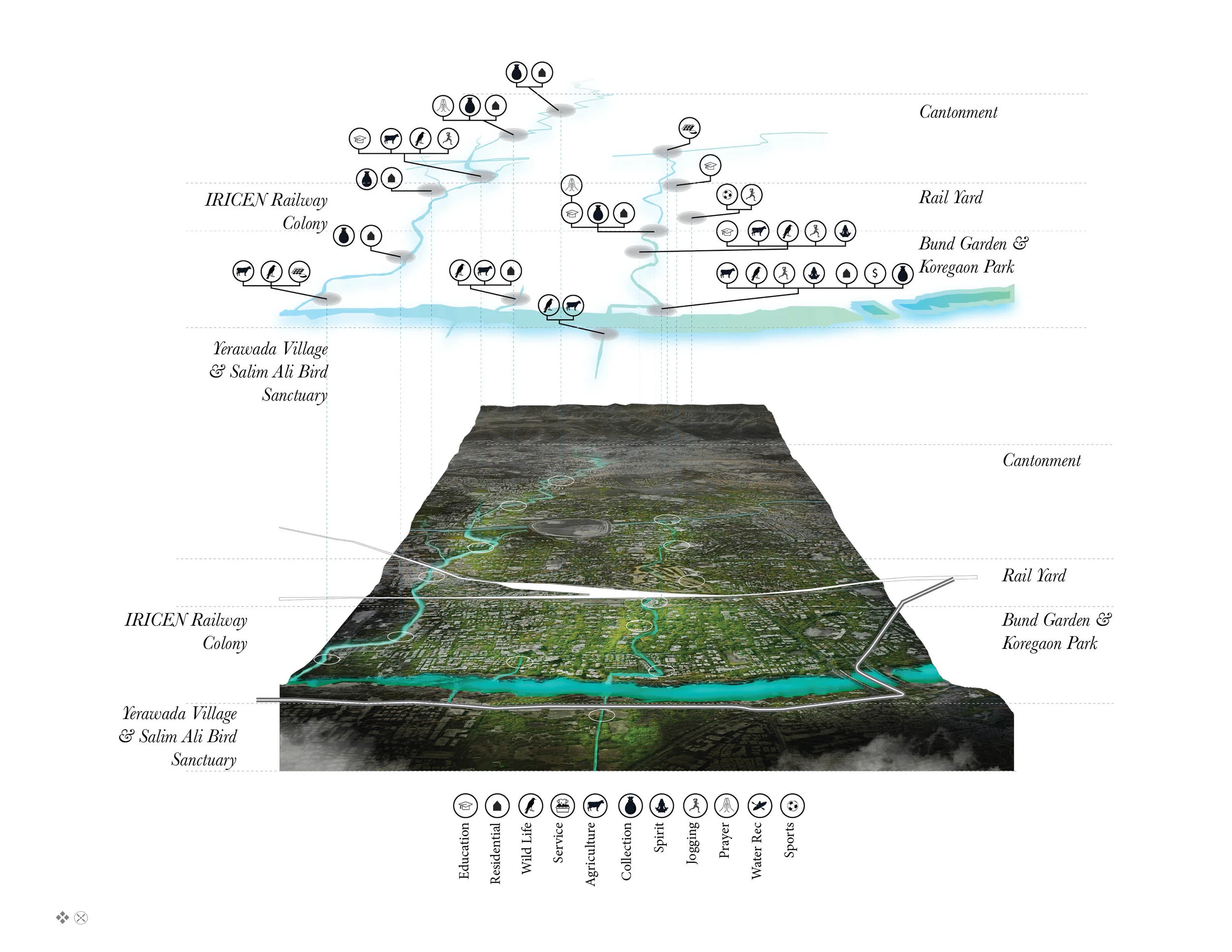
The project begins with a transect analysis of districts adjacent to the Mula-Mutha River, looking across program, economy, and ecology. This reading connects the river to the smaller nallah systems embedded in surrounding neighborhoods.
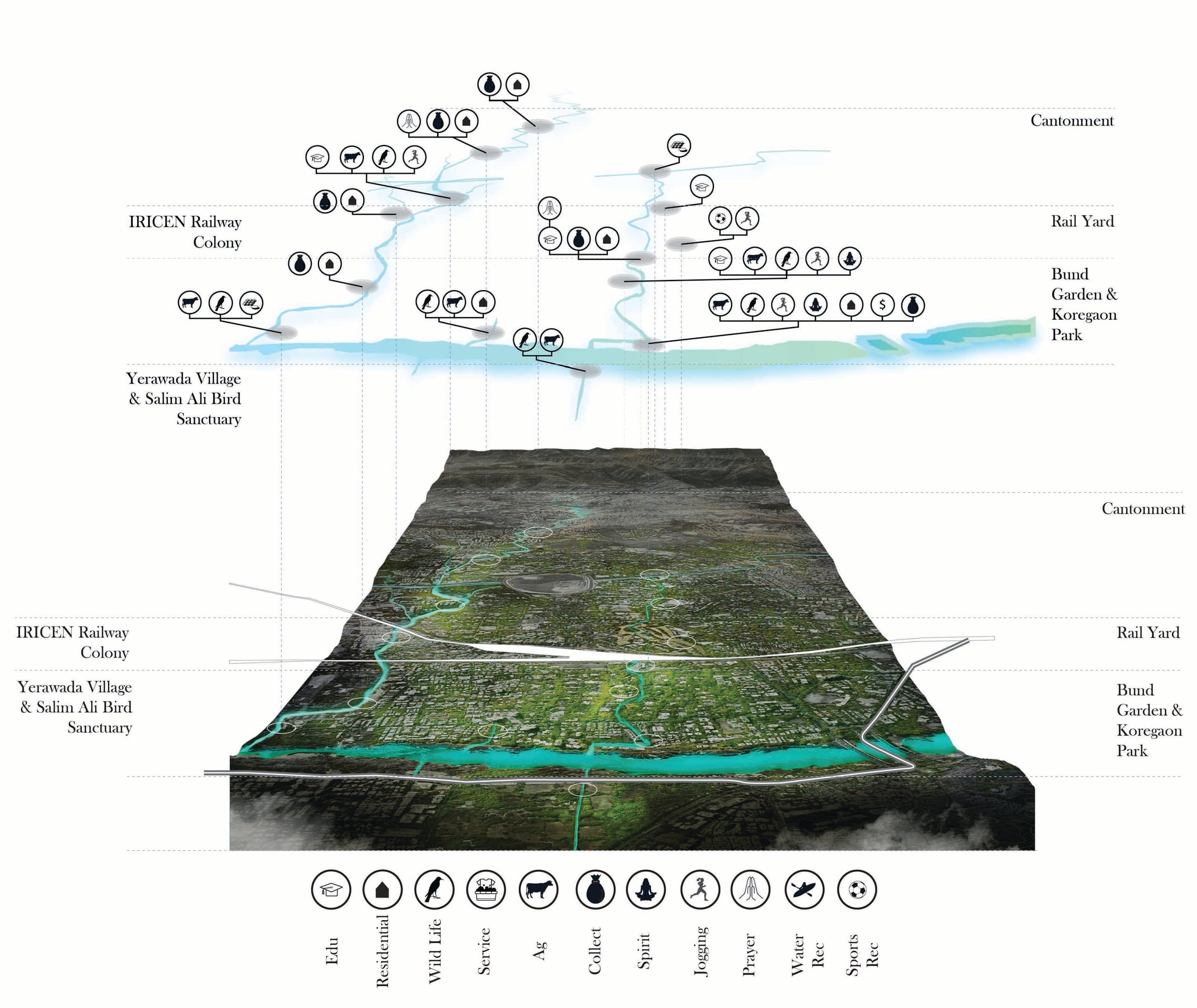
A three-part proposal
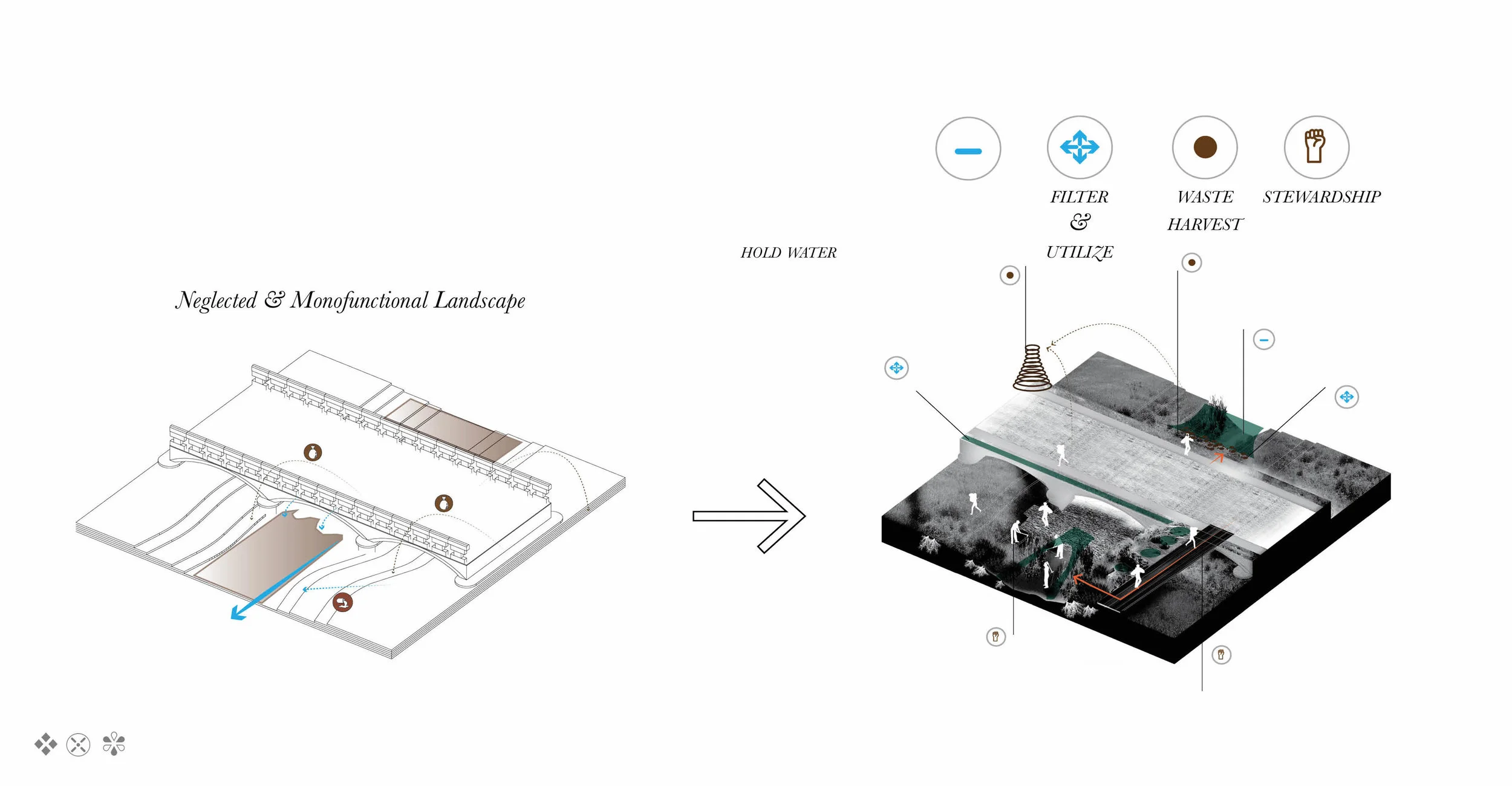
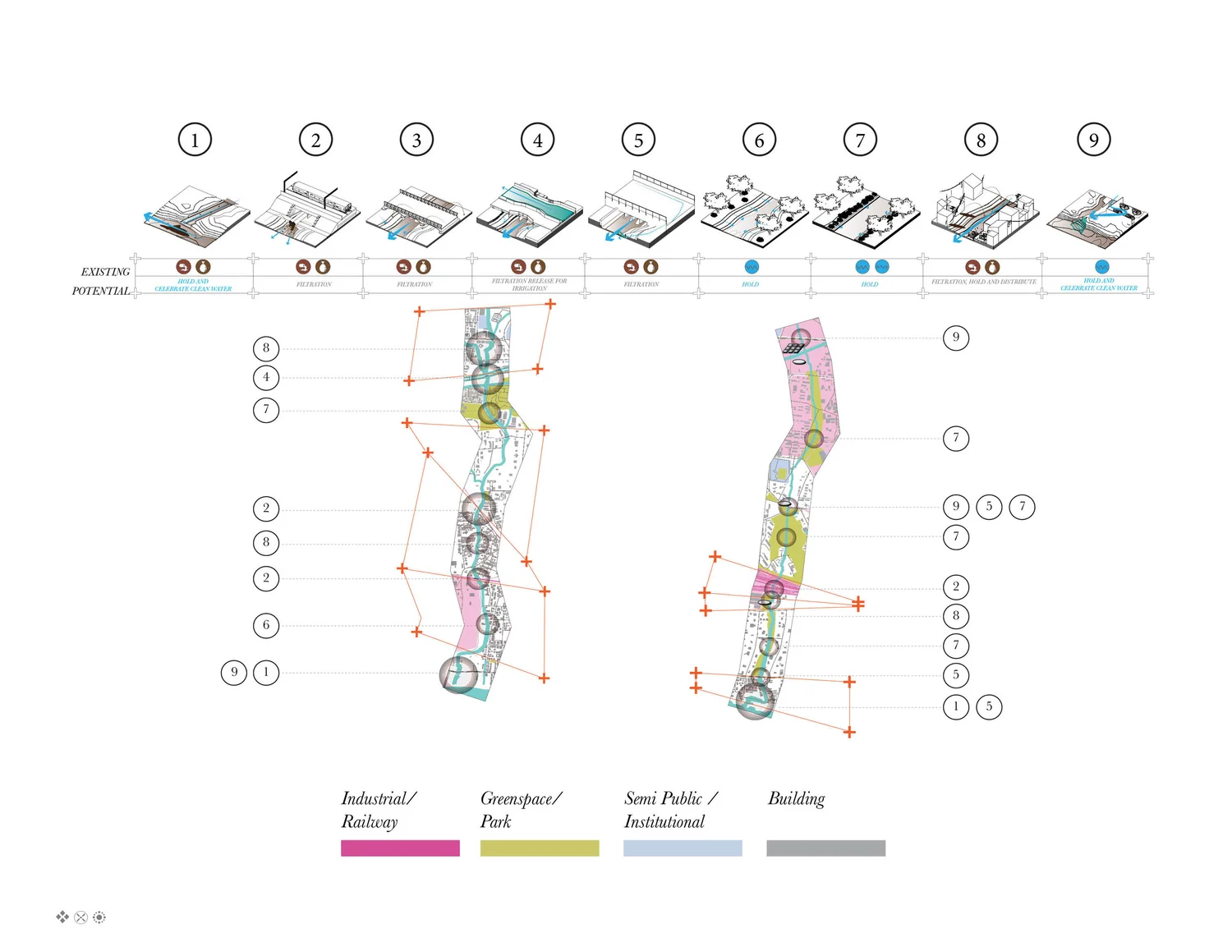
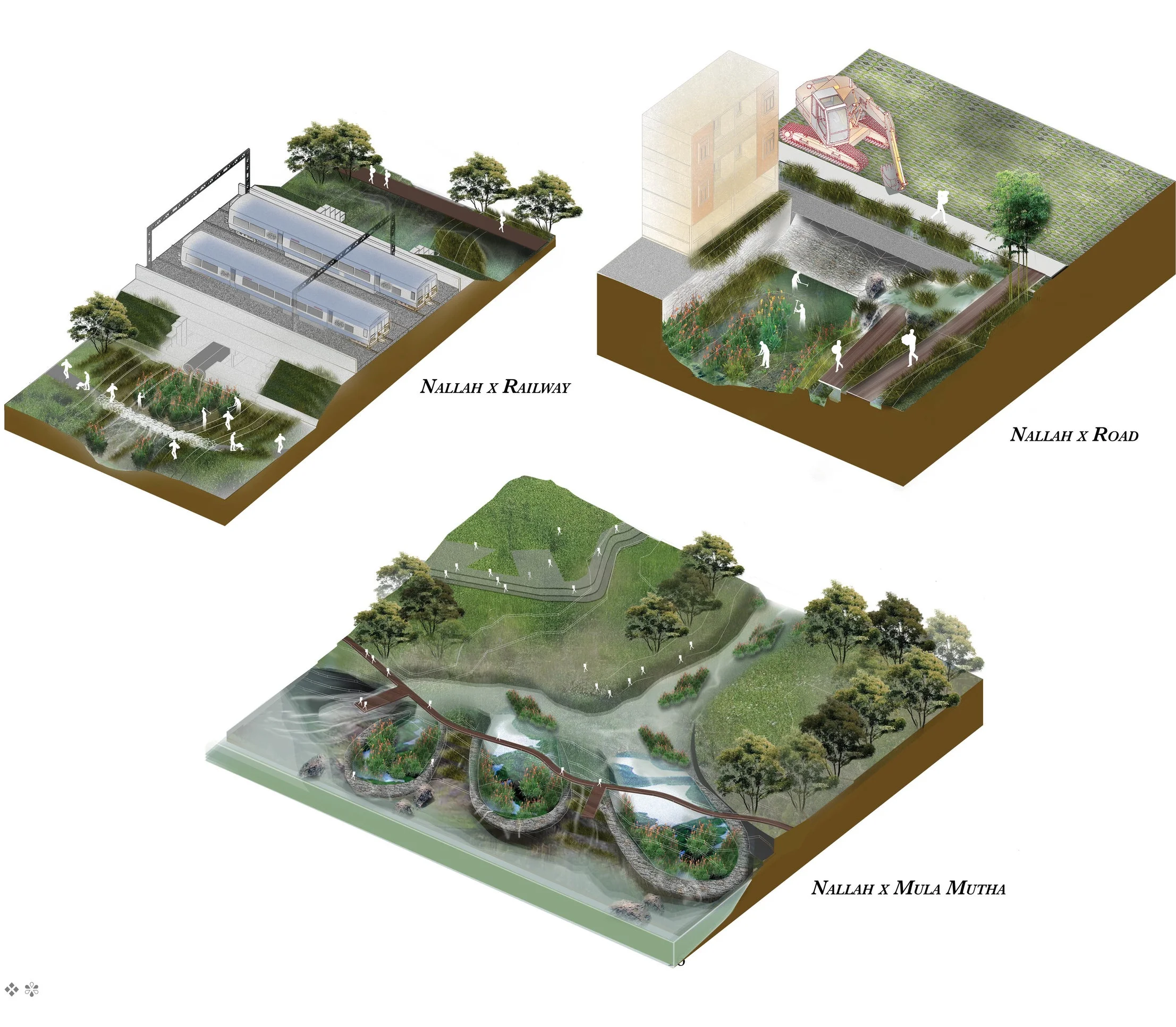
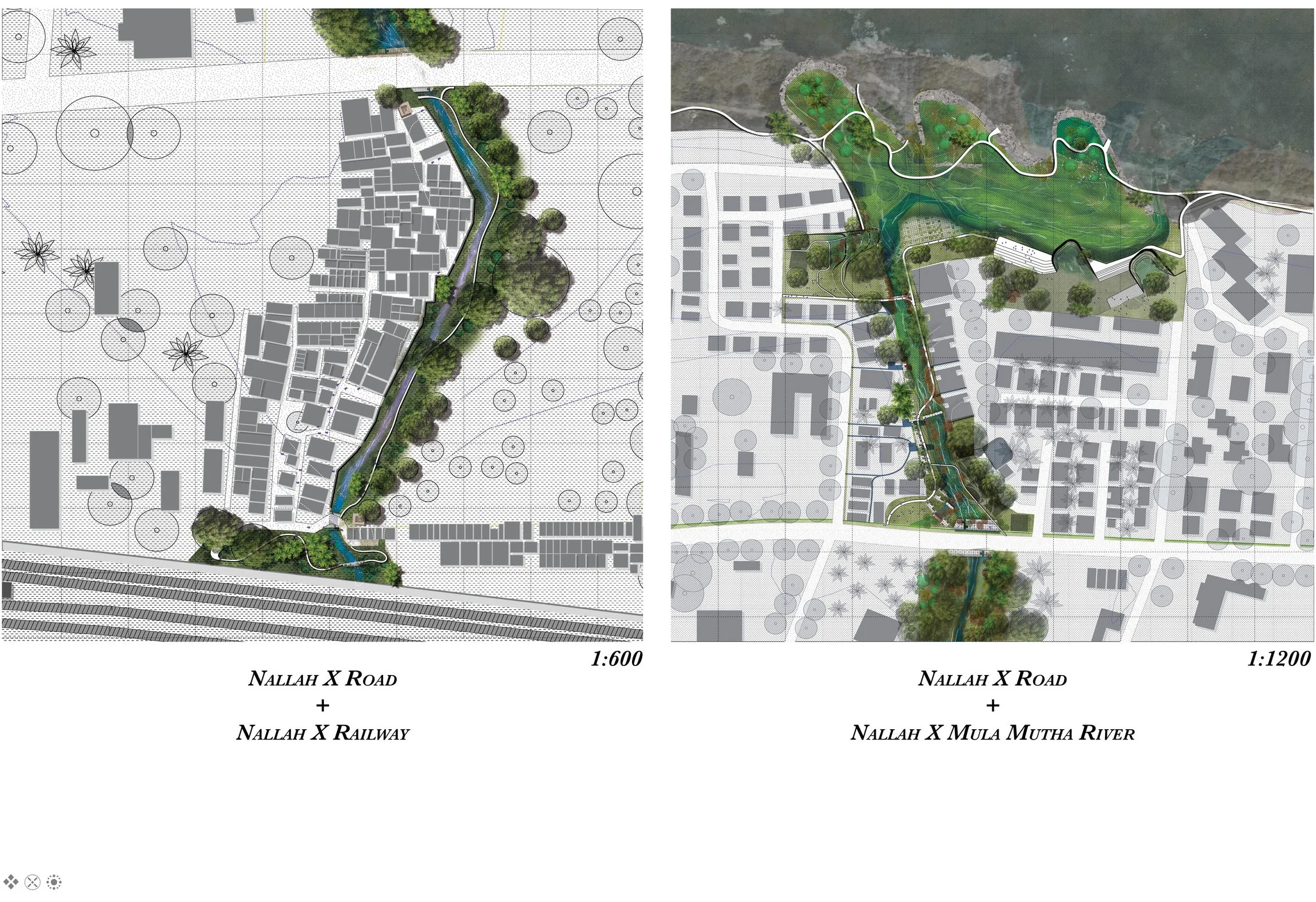
The proposal combines three systems. First, a water-holding network links nallahs with interconnected infrastructure. Second, a distributed network of waste collection and harvesting points is intended to encourage community participation in neighborhood cleanup. Third, polluted nallah water is filtered and treated before being released into the Mula-Mutha.